Kitchen Table Linens · Everyday Dining
Woven vs. Fabric Placemats: Choosing the Right Everyday Style
A placemat is a small decision with a daily footprint. It catches crumbs, softens the sound of plates, and gives a meal a sense of occasion—even when dinner is an ordinary Tuesday. Woven and fabric placemats can both do the job. The difference lies in texture, care, storage, and the kind of routine each one supports.
Choosing between them is less a contest than a question of fit. Is the table likely to meet tomato sauce, breakfast cereal, homework, and a quick wipe-down before the next meal? Or is softness, washability, and a more relaxed textile look the priority? Consider how your table is used, what it is made of, and how much attention you want to give the things placed on it.
What counts as a woven placemat?
“Woven” describes how the material is made, not a single fiber or level of quality. Strips, strands, or yarns cross over and under one another to form a surface. Depending on the materials and construction, woven placemats may be made from natural fibers such as cotton, jute, or seagrass, or from synthetic strands designed for regular household use.
The resulting surface often has visible structure. Its texture can add depth to a table without requiring a pattern or bright color. A plain plate looks different against a braided or tightly woven mat than it does on a smooth cloth; the contrast comes from the surface itself. That tactile quality can make woven placemats feel at home in rustic, coastal, informal, or pared-back interiors.
Woven construction also affects performance. A dense, even surface may provide a stable base for dishes, while a looser weave can catch crumbs between its strands. Raised edges, ridges, or irregular fibers may complicate wiping. The label “woven” therefore tells only part of the story. Material, weave density, thickness, and finishing are just as important.
Some woven mats are flexible and roll or stack easily; others are stiff enough to hold their shape. Natural fibers can have individual variations in color and texture, an appealing feature for some households and a challenge for anyone seeking a perfectly uniform set. A woven placemat’s charm and its maintenance needs can come from the very same details.
What makes a fabric placemat different?
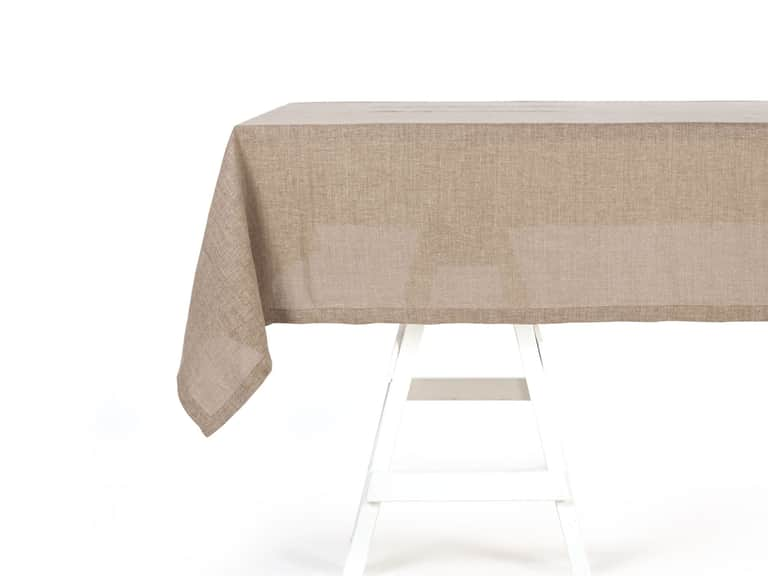
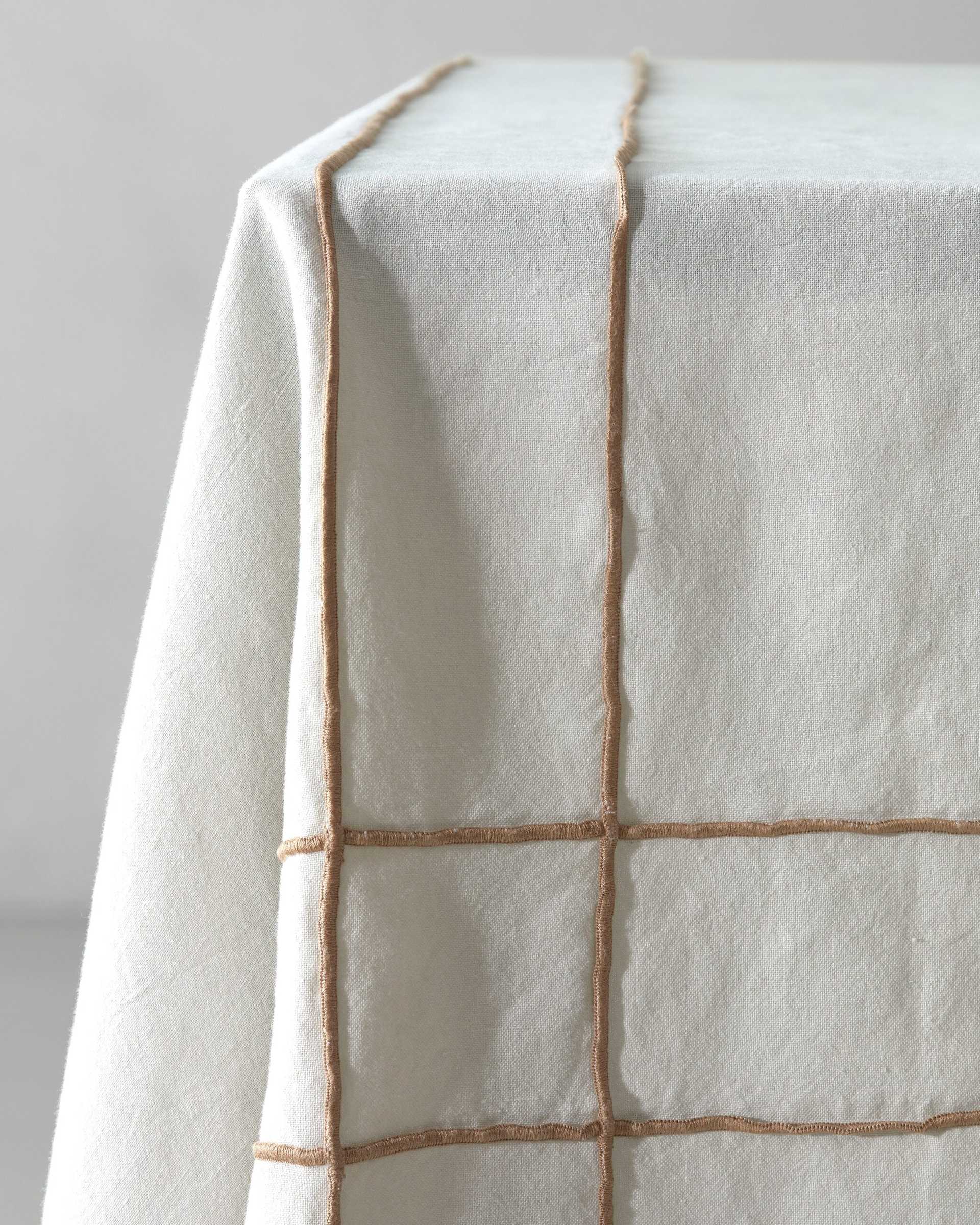
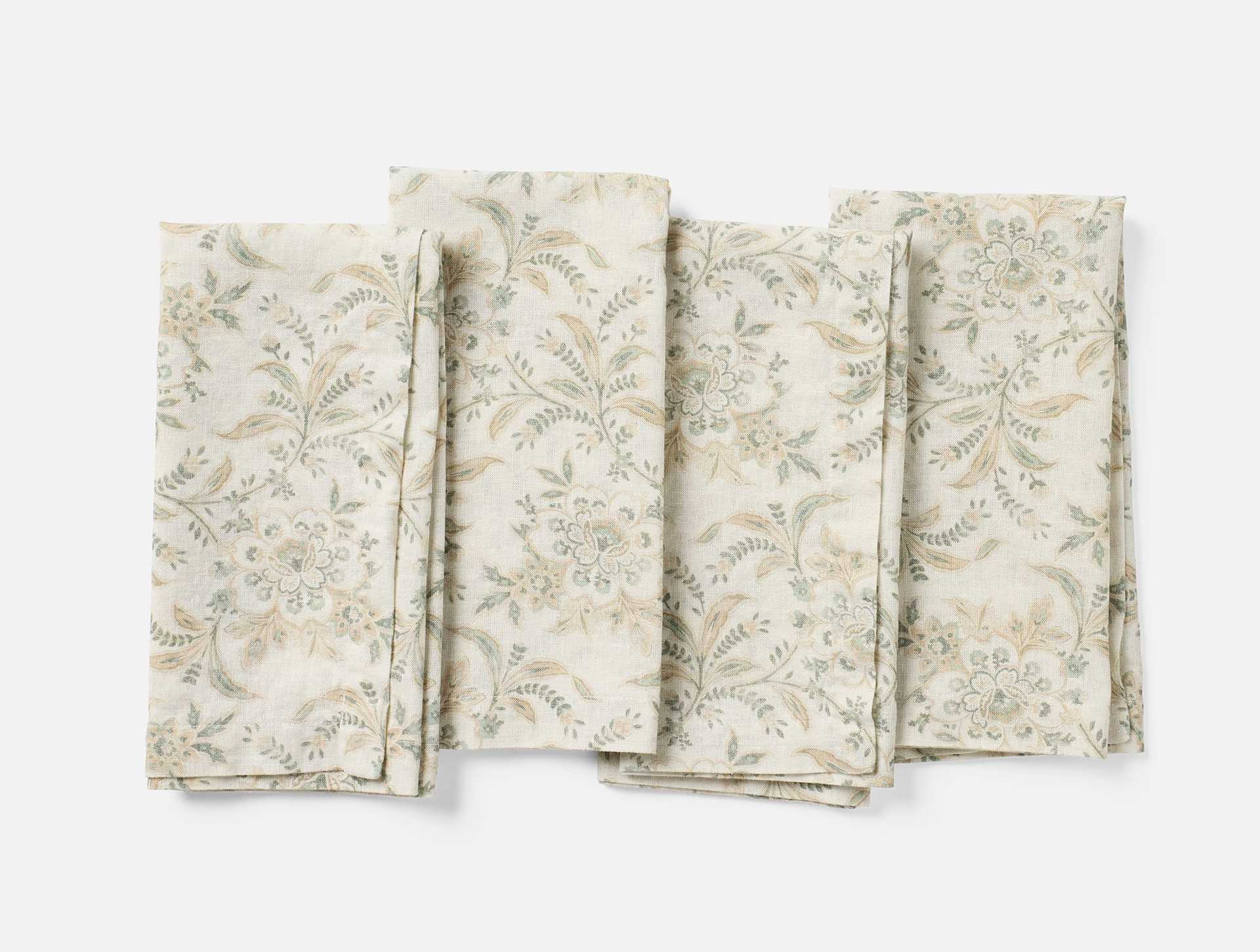
Fabric placemats are usually cut and finished from woven textile cloth. Cotton and linen are common choices, though blends and other fibers also appear. The fabric may be plain, printed, quilted, embroidered, or finished with a border. Compared with many rigid or open-texture woven mats, cloth tends to feel softer and folds or drapes more readily.
That softness is practical as well as decorative. Fabric can help reduce the clatter of cutlery and dishes, and it can lend the table a less formal, more lived-in character. A set of matching mats creates visual order; a mix of colors or patterns can make the setting feel more personal. The range of available textures and designs is broad, from crisp, flat cotton to the relaxed surface of linen.
Laundering is a major consideration. Many fabric placemats can go in a washing machine, but care depends on fiber, dye, construction, and trim. A cotton mat may tolerate a different routine from a linen blend or an embroidered piece. Always check its care label, particularly for colorfastness, shrinkage, and whether a finish or decorative detail calls for gentler treatment.
Washability is not the same as effortlessness. Fabric mats need to dry fully before they are folded away, and some materials wrinkle or require pressing to look crisp. Frequent washing may also affect color and shape over time. For households that value a soft surface and can manage a laundry cycle, those trade-offs may be worthwhile.
The everyday test: spills, crumbs, and cleanup
On a real kitchen table, spills are not an exception. They are part of the schedule. A placemat’s convenience depends on what happens after a glass tips or a meal ends. Smooth, tightly constructed surfaces are usually easier to wipe than materials with deep grooves, loops, or open spaces. But even a surface that wipes clean may need more than a cloth if food settles into its texture.
Woven placemats can be quick to maintain when their surface is dense and their material is suitable for wiping. Their weaknesses are structural: crumbs may lodge between strands, and some natural fibers do not respond well to soaking or prolonged dampness. If the manufacturer recommends spot cleaning, a mat that looks easy to rinse may not be designed for it. Follow the care instructions rather than treating every woven surface alike.
Fabric placemats may absorb a spill, which can help keep liquid from spreading across the table, but absorption also means the mat itself can become stained. A quick response matters. Blot rather than rub, and use a cleaning approach compatible with the textile. Heat, strong stain removers, and aggressive scrubbing can damage fibers or alter color, so check instructions before treating a mark.
Think about the kinds of messes most likely in your home. A household with small children, pets, or frequent meals at the kitchen table may put a premium on swift cleanup and durable construction. A table used mainly for occasional meals might prioritize texture and appearance. Neither situation points automatically to one category: the right answer depends on the particular mat as much as on its material family.
- For crumbs: Consider whether the surface can be shaken, brushed, or wiped without catching debris.
- For liquids: Check whether the mat resists moisture or absorbs it, and how it should be dried.
- For stains: Look for clear care instructions and choose a color or pattern that suits your tolerance for visible marks.
- For heat: Do not assume a placemat is a trivet. Use a heat-safe protective surface when cookware requires it.
Texture, comfort, and the room around the table
Placemats occupy a modest amount of space, but their effect is concentrated. They frame each place setting and introduce a layer between dishes and tabletop. Woven mats emphasize texture and shape. Fabric mats make a table feel softer, and can echo curtains, cushions, napkins, or other textiles in the room without requiring an exact match.
Consider contrast. A rougher, natural-looking weave can bring warmth to a polished table, while a smooth cloth mat can temper a heavily grained wood surface. If the table already has a strong finish, a quiet, low-contrast mat may let the furniture remain the focus. If the room is neutral, a patterned textile or tactile weave can add interest without changing the larger decor.
Scale matters, too. A placemat should provide enough room for the plate and the pieces of tableware used with it, without crowding neighboring settings. Thick or heavily textured mats can make a small table feel busier and reduce usable space. Before buying a set, measure the table and consider the size of the dishes, the number of diners, and the room left for serving bowls or shared plates.
Comfort is a quieter factor. A soft textile surface may be pleasant beneath hands and forearms. A rigid or coarse mat can feel more substantial, but some people may find its edges or texture less comfortable during a long meal. If comfort matters, notice the surface as well as the color: texture is not merely a visual effect.
Storage and the small logistics of daily use
Storage is easy to overlook until the table needs to be cleared. Flexible fabric placemats can usually be stacked or folded in a drawer. They may take little room, but folding can leave creases, and damp cloth should not be put away. A dedicated shelf or drawer keeps clean mats near the table and makes it easier to use them regularly.
Woven placemats often stack, but their thickness and rigidity can make a set bulkier. Some can be rolled; others should lie flat to protect their shape. A textured surface may gather dust or crumbs if stored uncovered. Check the maker’s guidance and make sure the storage space suits the dimensions of the mats rather than forcing them into a bend.
Household routines are a useful buying guide. If you want to set the table quickly, choose a material that is simple to retrieve, clean, and put away. If you prefer a dressed table that stays set between meals, consider whether the placemats can remain in place without interfering with other uses of the surface. A kitchen table may serve as a desk, craft space, or landing zone; the best choice works with that reality.
It can also help to own a practical rotation. A small number of easy-care mats can handle everyday meals, while a more delicate set can be reserved for gatherings. That is not a requirement, only a way to separate frequent use from special occasions when the care routine or appearance calls for it.
A closer look at materials
Fiber content is one of the most useful clues when comparing placemat materials. Natural fibers and synthetics behave differently, but construction and finishing can change how any particular product performs. Read the details rather than relying on a broad label such as “natural,” “easy care,” or “everyday.”
Cotton
Cotton fabric is familiar, versatile, and available in many weights and patterns. Many cotton placemats are washable, though colors and finishes may call for specific temperatures or cycles. Cotton can wrinkle and may shrink if care instructions are ignored. Its softness and range of styles make it a common choice for people who want a textile surface that can be refreshed through laundering.
Linen
Linen has a distinctive natural texture and a relaxed appearance. It can soften with use, and its creases are often part of its character rather than a flaw. Linen placemats still need suitable care: washing, drying, and ironing instructions vary by construction and blend. A linen-cotton textile, for instance, should not automatically be treated as though it were pure linen.
Plant-based woven fibers
Materials such as jute or seagrass can create an earthy, visibly textured placemat. Their performance depends on how the strands are woven and finished. Open construction can trap crumbs, and some natural-fiber mats are intended for dry cleaning methods or spot treatment rather than machine washing. Ask how the mat should be cleaned before choosing it for a high-spill setting.
Synthetic fibers and blends
Synthetic strands can produce woven mats with consistent shapes and surfaces, while textile blends can combine different qualities. Yet “synthetic” does not guarantee wipe-clean care, just as “natural” does not mean fragile. The product’s construction, finish, and explicit care directions are the more reliable guide.
How to choose for your routine
Start with the table, not the trend. A mat should protect and complement the surface without making everyday use harder. Then work through the practical questions: How often will it be used? What kinds of spills are common? Can it be laundered or wiped down? Where will it dry and where will it be stored?
A woven style may suit you if…
- You want a structured surface and visible texture.
- Your table setting benefits from a natural, tactile accent.
- You have storage space for mats that may be thicker or hold their shape.
- You are comfortable following specific spot-cleaning or drying instructions.
A fabric style may suit you if…
- You prefer a soft surface and a wide range of colors or patterns.
- You want mats that can be folded and stored compactly.
- You can launder and dry them according to their care labels.
- You like a relaxed textile look that can coordinate with other linens.
These are starting points, not rules. A tightly woven natural-fiber mat may be easier to maintain than a delicate fabric one; a washable cloth mat may be more practical than a woven style that cannot be immersed. Compare individual care labels and construction details before deciding.
Care that helps placemats last
Good maintenance begins with small habits. Clear crumbs after meals, treat spills promptly, and let mats dry completely before storing them. If the material allows it, shake or brush away dry debris before wiping or washing. Avoid assuming that all placemats can be submerged, put in a washing machine, or cleaned with the same product.
For fabric placemats, sort by color when appropriate and use the care label’s recommended wash cycle and temperature. Avoid overloading the machine if the mats need room to rinse. Remove them promptly after washing to limit creasing, and reshape them while damp if the instructions allow. Pressing may restore a crisp appearance, but heat settings should match the fiber.
For woven placemats, cleaning instructions are especially material-specific. A surface that tolerates a damp cloth may still be damaged by soaking. Keep natural fibers away from extended moisture unless the manufacturer says otherwise, and allow air to circulate during drying. Do not stack damp mats: trapped moisture can encourage odors or damage materials.
Sunlight, food residue, and repeated friction can affect color and finish. Rotating between sets may spread wear more evenly. When a mat is no longer suitable for a formal setting but remains usable, it may still serve a secondary purpose, such as protecting a shelf or work surface, provided its condition and material make that sensible.
The sustainable choice is the one you will use
Material labels can offer useful information, but no single fiber or construction settles the question of sustainability. Durability, repairability, manufacturing, washing frequency, and useful life all matter. A placemat that suits the household and stays in service for years may be more sensible than one chosen for a label but seldom used.
Look for clear descriptions of fiber content and origin, as well as honest care instructions. A blend may be easier to maintain in some households, while a natural fiber may appeal to someone seeking a particular texture. Neither choice is automatically better in every circumstance. The important thing is to understand what the product is made of and what keeping it in good condition requires.
Buying a manageable number of placemats can also prevent clutter. Consider whether a full set is necessary, whether replacements will be available, and whether the style works with the tableware already in use. A flexible, understated design may remain useful through changes in room decor. Pattern and color can be expressive, but longevity often comes from choosing something that feels right in ordinary life, not only in a styled setting.
A quick comparison
| Consideration | Woven placemats | Fabric placemats |
|---|---|---|
| Feel and appearance | Structured, tactile, and often visibly textured | Soft, flexible, and available in many textile patterns |
| Cleaning | May wipe clean, but grooves can trap crumbs; care varies by fiber | Often washable, though spills can stain and care labels matter |
| Storage | May stack or roll; some styles need to lie flat | Usually folds or stacks compactly; may crease |
| Best first check | Weave density, material, moisture tolerance, and cleaning method | Fiber content, wash instructions, colorfastness, and drying needs |
The better placemat is the one that earns its place
Woven and fabric placemats offer different answers to the same household question: how should a table look and function between meals? Woven styles bring structure and texture, but their cleaning needs can vary sharply with the material. Fabric styles offer softness, flexibility, and often the option of laundering, though spills, wrinkles, and drying time remain part of the bargain.
Measure the table, consider the messes it sees, and read the care instructions before choosing. If possible, handle the material and imagine the routine after dinner—not just the appearance before it begins. A useful placemat should be pleasant to set out, uncomplicated to maintain, and suited to the table’s many purposes. The best everyday style is not the one that demands the most attention. It is the one that makes daily dining feel a little more considered without making it harder.