Overview: Fabric Types at a Glance
Table linens are more than decorative layers; they influence how a meal feels. The choice between cotton, linen, and silk affects stain behavior, patina over time, and the rituals of care that keep textiles looking their best. Cotton offers practicality and versatility, linen brings a breathable candidness with a natural texture, and silk carries a quiet luxury ideal for special occasions. Understanding these fabrics helps you craft settings that feel deliberate and enduring.
- Cotton: Everyday durability, smooth finish, excellent color retention, machine-washable, widely accessible.
- Linen: Natural texture, exceptional breathability, develops character with use, prefers gentle care with longer life if treated well.
- Silk: Subtle sheen, refined drape, best for low-stain settings and special-occasion use; often blended or lined for care ease.
When selecting fabrics, consider life cycle—from the meals you typically host to the maintenance your household can sustain. A simple rule of thumb: match the fabric to the event, then layer with complementary textures to create cohesion across placemats, napkins, and tablecloths.
Quick-Start Tips: Choosing by Meal Type and Setting
To begin, think about how you entertain and your dining rhythms. Below are starter guidelines to help you narrow options quickly without sacrificing depth or longevity.
- Weekday meals and casual gatherings: Cotton or cotton-linen blends for easy care, forgiving against spills, and simple to launder.
- Family dinners with frequent hosting: Linen tablecloths with matching linen napkins—lovely texture that improves with use, while remaining manageable with regular care.
- Special occasions and formal settings: Silk or silk-blend napkins or runners for a refined glow; pair with a linen or cotton tablecloth to balance texture.
- Allergy-friendly and durability concerns: Prioritize machine-washable fabrics and colorfast options; avoid delicate silks in high-spill areas.
Care and Longevity: A Fabric Urgency Statement
Care routines determine how fabrics age, which is especially true for cotton, linen, and silk. Cotton generally tolerates frequent washing and drying with minimal prep. Linen thrives with cooler water and air-drying or low-heat tumble drying to preserve fibers. Silk, while luxurious, requests a gentler touch—hand washing or dry cleaning, and careful ironing on a low setting while slightly damp. Across fabrics, a common thread emerges: the gentler your approach to care, the longer your textiles will function beautifully in daily life.
In a world of busy households and evolving lifestyle needs, a practical approach to care is essential. For example, you can pre-treat common stains with fabric-safe stain removers and act quickly to blot spills rather than rub. This simple habit, paired with appropriate washing temperatures and line-drying where possible, extends the life of table linens across seasons.
Cotton, Linen, Silk: A Deeper Dive
All-rounder with forgiving care
Cotton offers a broad spectrum of weights and weaves, from percale to sateen, cotton-linen blends for texture, and a softness that improves with washing. It’s a practical choice for napkins and tablecloths that will see frequent use.
Best uses: Everyday dining, family meals, casual gatherings.
Textural elegance with lived-in charm
Linen’s natural texture brings an organic feel that softens with use. It’s highly breathable and durable, making it a favorite for tablecloths and napkins paired with contemporary or rustic table settings. Linen challenges your care routine with a tendency to crease, which some find part of its character.
Best uses: Seasonal table settings, upscale casual dining, textured layering.
Subtle luster for refined moments
Silk offers a quiet sheen and graceful drape ideal for formal settings. It’s less forgiving in spill-prone settings and often benefits from careful handling, lining, or choosing silk blends for better longevity in daily use.
Best uses: Special occasions, elegant dinners, formal events.
Careful Considerations for a Cohesive Look
When building a table linen wardrobe, consider a simple color palette and a mix of textures. A linen tablecloth in a neutral shade with cotton napkins in a soft complementary tone creates a lasting, flexible foundation. Add a silk runner or napkin set for special moments, balancing the everyday with the extraordinary. The key is harmony: fabrics should feel related through color, weight, and finish, rather than competing for attention.
Three Notable Figures: Time, Texture, and Textile Craft
Across centuries and continents, three notable individuals helped shape how we think about linens. Their insights illuminate today’s choices—from fabric science to cultural nuance and artisan craft.
Context: A court where social rituals and textiles carried symbolic meaning.
While history remembers many facets of the French monarchy, textiles—especially linens used at the table and in the palace kitchens—embodied a philosophy of order and refinement. Linen served not just function but as an expression of status and taste. The meticulous care given to table napkins and cloths—iron, fold, and fold again—mirrored the broader civility of the era. In a practical sense, this lineage informs modern hosts that “presentation” often begins on the surface: the way a table is laid speaks to the care behind the meal.
Context: A push toward durable, honest materials and handcraft.
Morris’s philosophy—valuing craftsmanship and the inherent beauty of natural fibers—reverberates in today’s linen and cotton textiles. It underlines a modern conscience about durability and sustainability: textiles that age gracefully, woven with integrity and designed for the long arc of daily life.
Context: A contemporary movement that elevates maker profiles and curated textiles.
Cerullo’s work highlights how textiles intersect with craft economies—small-batch linens, artisanal napkin sets, and textiles with a story. In today’s kitchen-table culture, stories—the origin of a thread, the hands that wove it—become a part of the dining ritual. Reading these narratives can guide readers toward textiles that resonate with personal values, whether sustainability, provenance, or design language.
Product Spotlight: A Linen Table Throw for Everyday Chic
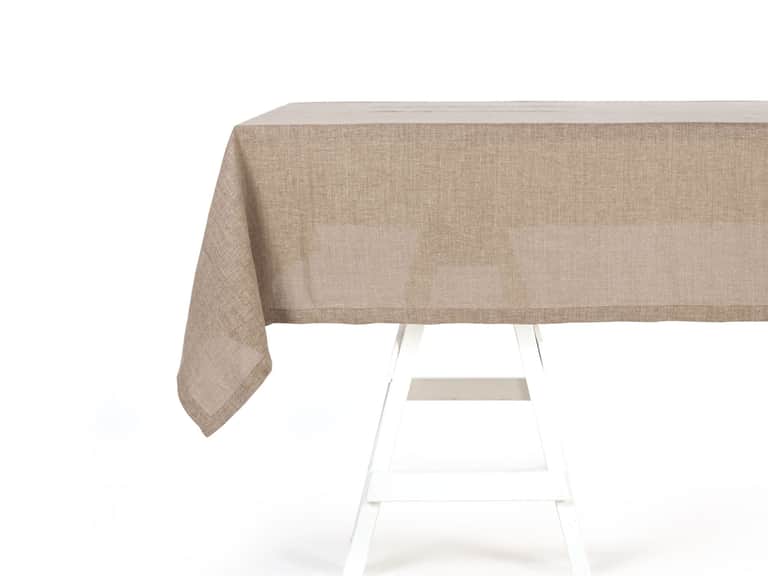
To illustrate how a single textile can anchor a setting, consider a linen table throw that blends practicality with refined aesthetics. The Belgian Table Throw Tablecloth Maxine, a 55 by 91 inch linen throw finished with fringe and a washed texture, exemplifies the balance between durability and understated elegance. Its flax-ground with end stripes in muted tones echoes a quiet sophistication that wears well with casual living and occasional formality. This kind of piece can anchor a dining ensemble while allowing napkins, placemats, and centerpieces to change with the season.
The Belgian Table Throw Tablecloth Maxine (Libeco)
Material: 100% linen; washed finish; fringed ends
A practical linen foundation that handles everyday dining and is forgiving with repeated washing. Its colorway and fringe details offer visual texture without overwhelming the table, making it a versatile canvas for differing napkin ecosystems and dishware styles.
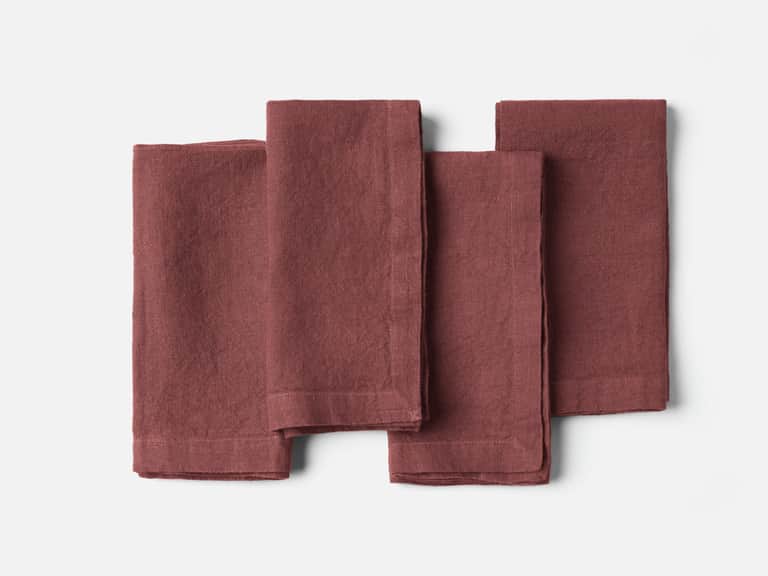
Coordinating Linen Napkins: Mojave Organic Linen Napkins, Set of 4 (Coyuchi)
Material: 100% organic linen; GOTS and Fair Trade certified
These napkins exemplify sustainability and everyday versatility. The linen’s natural texture complements a linen tablecloth while elevating a simple table setting to something more mindful and tactile. A set of four offers enough flexibility for family meals and guest settings alike.
Other notable fabric options include Riverside Tablecloth (Libeco), a 60% linen/40% polyester blend designed for ease of care, and Riverside’s tablecloths demonstrate how modern blends can reduce creasing while preserving a linen aesthetic.
A Narrative of Everyday Textiles
At its best, a kitchen table is a forum for memory-making and practical craft. The fabric choices we make—cotton napkins that dry quickly, linen tablecloths that soften with regular use, silk accents that catch the light during a holiday meal—form a quiet, resilient language. The goal is not perfection but intentionality: textiles that age gracefully, blend seamlessly with your home’s palette, and invite people to gather around the table with confidence and ease.
Closing Thoughts: The Fabric You Always Reach For
Choosing table linen fabrics is less about chasing the perfect material and more about building a cohesive fabric vocabulary for your home. Cotton’s practicality, linen’s honesty, and silk’s subtle luxury together create a well-rounded textile archive that supports daily life and celebratory moments alike. By selecting pieces that reflect your values—sustainability, durability, or heirloom potential—you shape daily rituals into something durable, delightful, and distinctly yours.