Hosting Warmth: Transforming Everyday Dinners with Kitchen Table Linens
Discover how the simple, tactile rituals of table linens can elevate ordinary suppers into memorable gatherings. This narrative blends practical fabric wisdom with a cultural lens on hospitality, drawing on the timeless symbolism of the kitchen table as a space of connection, conversation, and comfort.
A Fabric For Conversation: Why Table Linens Matter
From the crinkled laughter of a family dinner to the hushed anticipation before guests arrive, linens are more than a utility. They set a tone, whispering hospitality through texture, color, and weight. A linen tablecloth can breathe with the room, catching the light and inviting guests to linger. A sturdy cotton or linen napkin can become a shared ritual—folding, refolding, or simply wiping a hand after a story is told. In this landscape of domestic craft, the kitchen table emerges as a stage where everyday meals become intimate ceremonies.
At the heart of this approach is a practical, deliberate balance: fabric weight and weave that withstand daily life, paired with color palettes and textures that harmonize with dinnerware, glassware, and ambient lighting. The science of textiles—breathability, moisture-wicking, and ease of care—meets the art of styling to produce a table that is both resilient and welcoming.
Color and Texture: A Quick Strategy for Cohesion
A successful table setting often relies on a core color family, then layered accents. Start with a neutral base—creams, stone greys, or warm oatmeal—so linens don’t compete with the dinnerware. Introduce a secondary hue through placemats or napkins and a third via a tabletop centerpiece. Textures—woven linen, crisp cotton, or a subtle matelassé—provide tactile punctuation that keeps the eye engaged.
Consider a simple rule of three: a dominant linen (perhaps a tablecloth in Naturepedic Organic Linen in Arctic Snow or Forest Canopy), a coordinating secondary (napkins or placemats in a complementary tone), and a unifying accent (a runner or folded napkin stack in a contrasting but harmonious shade). The goal is a calm, curated energy rather than a loud, saturated tableau.
Care and Practical Considerations
Linen, cotton sateen, and other natural fibers bring breathability and moisture management to the table. Linen, in particular, offers a natural drape and cool hand, while also developing a soft patina with washing and handling. For daily use, choose fabrics with robust finishes and care instructions that align with your routine. Quick-drying, machine-washable options minimize fuss and maximize table-ready readiness.
In hospitality terms, durability translates into fewer replaced linens and more opportunities to host. A well-chosen set can be hauled from dinner to Sunday brunch, from casual weeknights to holiday gatherings, maintaining color integrity and shape after repeated laundering. The practical elegance of a linen napkin that refolds neatly or a tablecloth that settles into place without fuss reinforces a sense of intentional living.
Three Key Figures, Across Time, Who Embodied the Linen Table
1) Martha Washington (1731–1802): The Domestic Standard
In the earliest strands of American social life, textiles carried the weight of hospitality as a civic virtue. Martha Washington’s era framed the table as a stage where domestic skill—embroidery, weaving, and linen care—became acts of gracious governance. Linen napkins and tablecloths were practical, yes, but their careful presentation signaled a household that valued shared meals as community-building.
Her legacy reminds us that the craft of table linens folds into memory: pressed cottons and limp leads give way to durable linens that gather stories around the dining table, one course at a time.
2) Edith Head (1892–1981): Texture as Voice
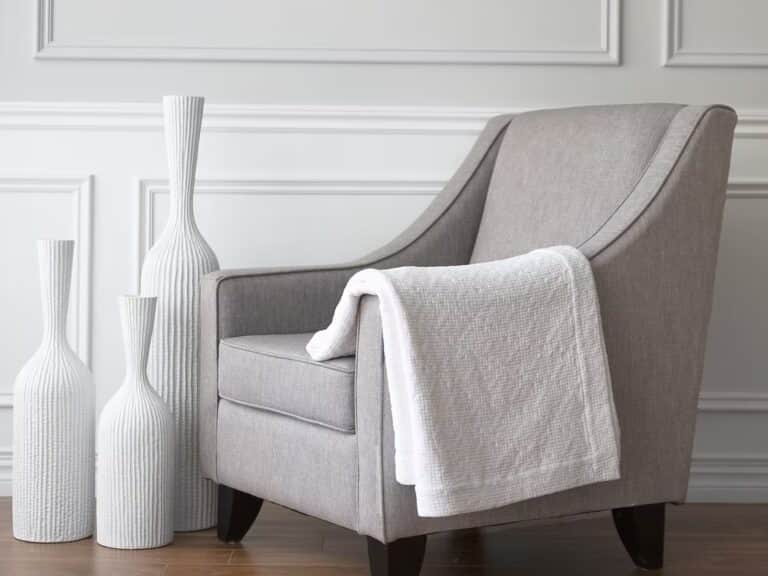
Though known for costume design, Edith Head’s philosophy of texture—how fabric catches light, how weight falls—resonates with table styling. A matelassé throw or a basketweave linen delivers a quiet authority that complements conversation rather than competing with it. In a dining room, the texture of a well-chosen linen mirror speaks as eloquently as words spoken across a table.
This lineage midpoints the idea that linens are not mere background; they are participants in the language of hospitality, guiding the mood of a gathering through tactile presence.
3) Bruce Chiasson (mid-20th century–present): Modern Craft, Enduring Rituals
Contemporary designers champion a return to handfeel and sustainability. Linen from 100% flax, gently stone-washed linens, and responsibly produced textiles—like Naturepedic Organic Linen Sheets that serve as a benchmark for breathability and comfort—anchor a modern table that honors both utility and care. The kitchen table remains a space where daily life and mindful design converge, reminding us that hospitality is a practice—not a punctuation mark.
Product Spotlight: Naturepedic Organic Linen Sheets
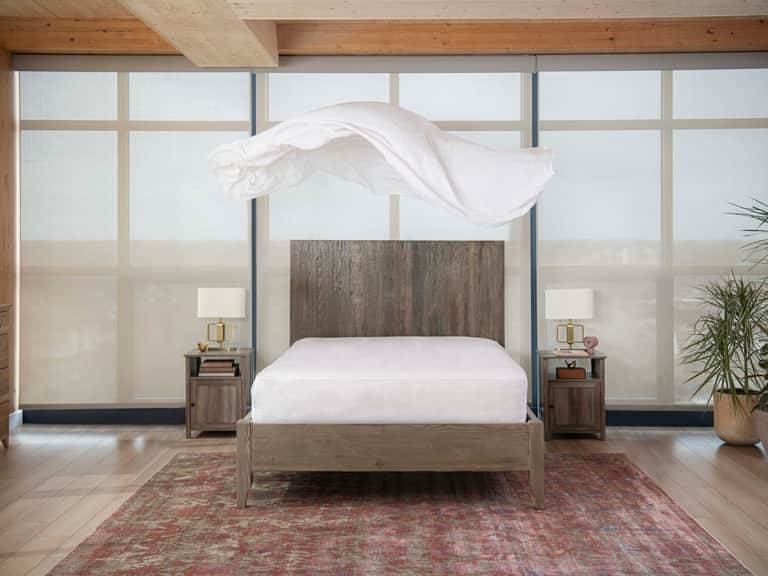
While a table setting creates the stage, the bedding that accompanies a restful evening and a welcomed morning share a lineage of fabric excellence. The Naturepedic Organic Linen Sheets exemplify linen’s capacity to balance strength and softness, enhancing the overall sense of hospitality from bedroom to dining room. GOTS-certified organic flax grown in France, stone-washed for a durable finish, and designed for breathable comfort across seasons, these sheets embody the same philosophy that makes a kitchen table feel inviting: air, light, and human warmth.
Linen’s hollow fibers create exceptional moisture management, drawing moisture away in heat and releasing it in cooler times. This natural moisture regulation is not merely technical; it contributes to a sense of ease in a home that makes guests feel instantly at ease—the same ease you seek when laying a table for a tableful of friends.
Naturepedic Organic Linen Sheets
Size options: Queen, King, California King
SKU: NP-SHEET-LINEN
$499.00
Care: Machine wash warm. Tumble dry low. Warm iron. No bleach. GOTS-certified organic linen with a luxurious, breathable hand.
Final Thoughts: A Table, A Home, A Kind of Memory
The act of hosting extends beyond the menu; it is a choreography of texture, light, and place. By selecting table linens with care—weighty tablecloths for presence, crisp napkins for ceremony, warm runners to guide conversation—you cultivate an inviting atmosphere that lingers beyond the last bite. In this way, the kitchen table becomes a living archive of everyday hospitality—an ongoing narrative told through fabric and food, shared among friends and family across generations.
Whether you are rearranging a modest dining nook or staging an intimate dinner for close companions, the right linens empower you to tell a story of welcome. The linens do not merely dress the table; they set the stage for memory-making, a quiet ritual that reminds us of home, and of the people we share it with.
Published date: August 6, 2026
Keywords: kitchen table linens, table linens decor, home entertaining, dining room styling, linen tablecloths, napkins and placemats