Creating Cozy Chef-Style Tables: How Linen Linens Elevate Everyday Dining
A well-set table can frame conversation before the first bite. When linen textiles—tablecloths, placemats, and napkins—enter the scene, they do more than cover the surface; they tell a story of hospitality, family gatherings, and mindful hosting. This article explores how kitchen table linens transform ordinary meals into intimate experiences, drawing on timeless craft, seasonal texture, and the people who have shaped dining rituals across centuries.
In the aesthetic of a National Geographic feature, the kitchen table becomes a landscape: linen plains, woven hills, and a constellation of textiles that catch light, scent, and memory. We consider not just the look, but the craft, function, and cultural memory embedded in linen products—from organic linen sheets to decorative throws and napkin sets that frame a conversation with every course.
The Quiet Power of Linen: Texture, Temperature, and Time
Linen is not merely a fabric; it is a historical thread that stretches from ancient workshops to modern kitchens. Its hollow fibers enable superior air and water circulation, offering natural moisture management that helps keep diners comfortable across seasons. In summer, linen sheets and linen napkins wick moisture away, promoting a cool, breathable dining experience. In winter, its natural insulating properties provide welcoming warmth without bulk. This duality—cooling and warming—makes linen an ideal foundation for a table setting that can transition from casual brunch to formal dinner with equal grace.
The texture of linen also matters. A honeycomb weave or basketweave, as seen in refined throws and linens, creates a tactile layer that invites touch, enhancing the sensory dimension of dining. The visual drape of linen—soft, slightly matte, and naturally wrinkled—adds a sense of effortless elegance, a deliberate informality that encourages relaxed conversation and lingering meals.
In a world of fast fashion, linen’s longevity remains a scientific and sensorial constant. Linen fibers become softer with each wash, taking on patina through time while maintaining structural integrity. This aging process, seen in well-loved napkins or a cherished tablecloth, narrates the story of countless family meals, celebrations, and quiet evenings at home.
Three Figures Across Time: How Individuals Shaped Table Craft
The evolution of dining textiles is not the work of a single designer, but a chorus of voices spanning centuries. Here are three key individuals from different eras who exemplify the craft, influence, and cultural resonance of linen and table accoutrements.
1) A Roman Linen Weaver (1st Century BCE – 1st Century CE)
In ancient Roman households, linen weaving occupied a central role in domestic life. Linen textiles symbolized cleanliness, social status, and the discipline of daily ritual—costuming the meal itself in fabric that carried the echo of daily labor and communal meals. A Roman weaver’s skill—preparing threads, dyeing with natural mordants, and producing even, breathable cloth—created linen that would survive dignified gatherings in atria and villas. The tablecloth or napkin was not merely functional; it conveyed hospitality and order, a quiet stage upon which stories of family, food, and diplomacy were shared.
2) An 18th-Century European Linen Workshop Master
The rise of refined table settings in European salons and manor houses elevated linen from everyday utility to curated art. Masters of linen weaving and textile finishing in the 1700s experimented with weaves, thread counts, and natural dye palettes to produce napkins, placemats, and tablecloths that could respond to the era’s theatrical dining rituals. A white linen tablecloth, paired with lace-edged napkins and carefully pressed placemats, signaled a culture of ceremony, while subtle texture and weight admitted a tactile dimension to the conversation at table.
3) A Modern Scandinavian Textile Designer (Mid-20th Century to Present)
In the 20th century, designers embracing minimalism and natural materials reimagined linen for modern homes. The Scandinavian influence emphasizes simplicity, sustainability, and a sense of space—qualities that blend seamlessly with dining rituals that favor unpretentious elegance. Contemporary designers have leveraged linen’s natural drape and breathability to craft table linens that pair with understated tableware, allowing the focus to remain on conversation, light, and the seasonal mood of a meal.
These figures illustrate how linen textiles have always carried a cultural weight beyond their physical properties. They remind us that a table is a shared stage where history, craft, and nourishment meet—the linen fabric serving as a quiet conductor of memory and mood.
Practical Guidelines: Designing a Cozy Chef-Style Table
A well-styled table blends function with mood. The following ideas, inspired by both heritage and contemporary design, help you craft a chef-style table that remains accessible for home cooks and occasional hosts alike.
Base Layer: Neutral Linen Cloth—Start with a organically woven linen tablecloth in a natural or soft ivory tone. A neutral base creates a calm field that supports varied color palettes for placemats, napkins, and centerpieces. The fabric’s texture adds depth without overpowering the scene.
Texture and Contrast: Placemats and Napkins—Introduce texture with woven placemats and folded napkins in slightly darker or lighter hues. Consider a weave that catches light differently, such as a basketweave or a subtle rib, to create visual interest as guests move around the table.
Layered Lighting: Warm Glow—Layer candlelight or soft pendant lighting to complement the linen’s natural tone. Linen reflects and softens warm light, producing inviting shadows that enhance the dining experience without glare.
Centerpiece: Textile-Inspired Arrangements—Centerpieces made from simple textiles, such as a folded linen runner with a cluster of seasonal greens, citrus, or dried flowers, anchor the table without blocking conversation. A textile centerpiece remains approachable, tactile, and easily refreshed between courses.
Scent and Memory: Subtle Aromas—Choose a light, natural scent (or none) to avoid overwhelming flavors. Linen’s texture pairs well with clean, botanical scents that evoke freshness and home comfort.
The practical aim is to celebrate everyday dining with a sense of ceremony, rather than to emulate a grand banquet. The chef’s table in a home kitchen is about hospitality as a daily ritual, where linens provide a framework that supports conversation, comfort, and the cadence of shared meals.
A Featured Product: Naturepedic Organic Linen Sheets as a Table-Ready Textural Reference
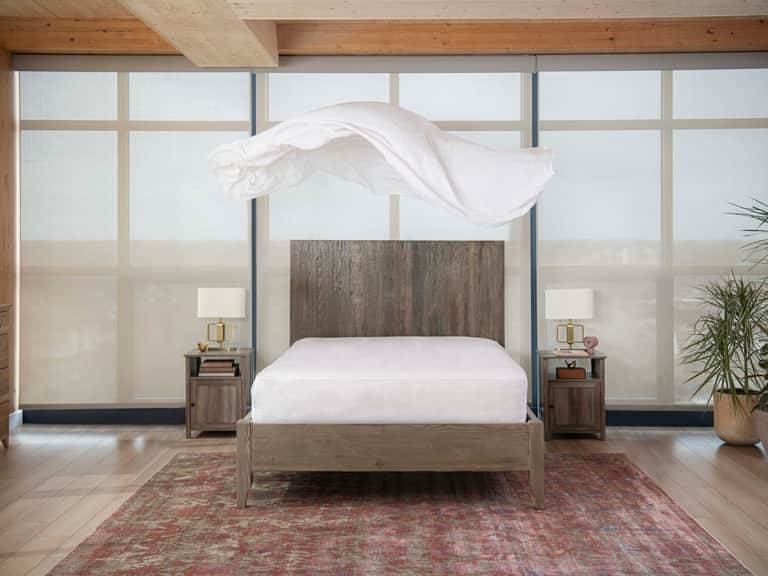
While this article centers on table linens, the broader ecosystem of textiles in a dining space includes bedding textiles that echo the same values of comfort and texture. The Naturepedic Organic Linen Sheets exemplify the marriage of natural fiber, comfort, and sustainable production—a tactile analog to the linen-based table settings we celebrate here. Even when not on the table, linen sheets cultivate a sensibility of breathable softness and year-round versatility that informs how we think about textiles across the home.
Naturepedic Organic Linen Sheets showcase 185gsm GOTS-certified organic flax, stone-washed for durability and a luxurious hand. They balance strong weave with lightness, making them a touchstone for the kind of material you might imagine pairing with a linen table setting: natural, breathable, and timeless.
Colors: Arctic Snow, Beige, Forest Canopy, Harbor Island
Note: While the article emphasizes dining textiles, this product reference demonstrates a broader design language—the embrace of natural materials, breathability, and comfort that can permeate a home in multiple rooms, including the dining area where linen table textiles reign supreme.
For reference visuals, imagine a coordinated approach: a linen tablecloth paired with neutral linen napkins and a matching linen or woven placemat set, complemented by a simple, textural centerpiece and a softly lit ambiance. The tactile consistency across textiles creates a cohesive, inviting environment.
In practice, consider how the color palettes of your table textiles echo or contrast with your linen sheets—earthy neutrals, soft creams, and muted greens create a harmonious domestic landscape that remains adaptable to seasonal changes and guest preferences.
Closing Thoughts: A Linen-First Table as a Living Museum
The kitchen table is a living museum of daily life, its exhibits arranged in linen and texture rather than glass and marble. Linen fabrics—tablecloths, placemats, and napkins—serve as the archivists of memory, guiding conversations, shaping rituals, and anchoring the senses to a shared moment. The richness of linen lies in its quiet, enduring presence: a material that breathes with the room, softens with love and hands, and endures through generations of gatherings.
As you curate a cozy chef-style table, let linen be your compass. Begin with a neutral, breathable base; layer with texture and warmth; illuminate with thoughtful lighting; and refresh with small, textile-centered accents that invite guests to linger. In this ritual of hospitality, the textiles do not merely decorate—they organize the moment, turning a meal into an experience that feels both intimate and timeless.
Selected Textiles and References
To ground these ideas in real-world options, consider the following textiles from current collections that embody the philosophy of warm, inviting, and durable linens.
Experience year-round comfort with Naturepedic's Organic Linen Sheets, expertly woven for breathability and softness. Enjoy a cool, dry sleep in summer and cozy warmth in winter, all while reducing allergens. Elevate your bedding with luxurious, eco-friendly linen!
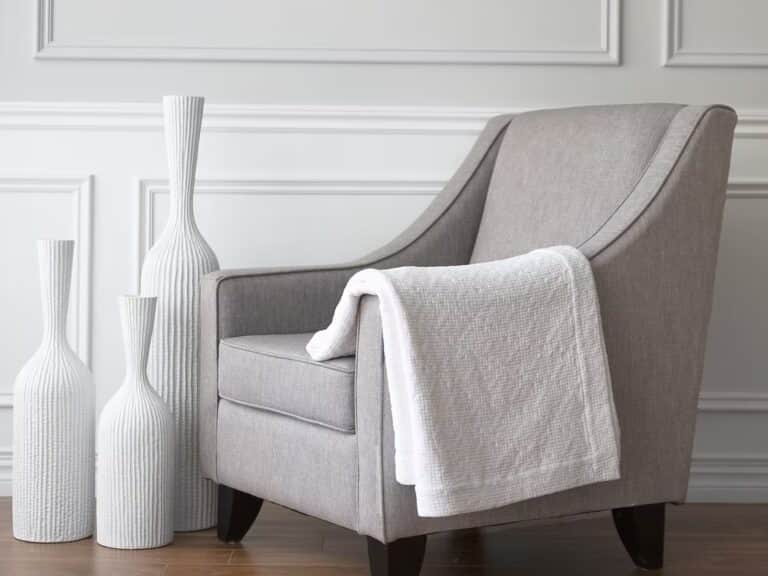
Experience the perfect blend of elegance and comfort with the St Genève Rochelle throw. Its soft, 100% long-staple cotton and refined design elevate any space, inviting you to relax in style. Enjoy the luxurious feel and timeless beauty that complements any decor.
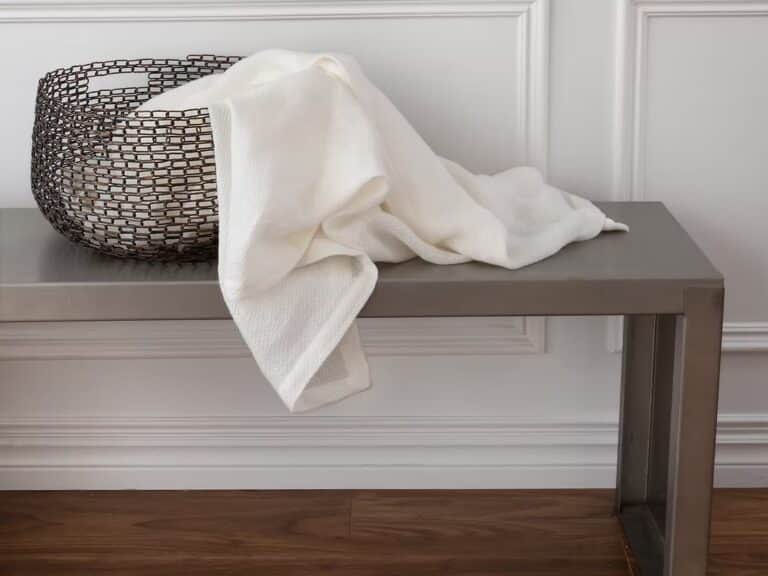
Experience the cozy elegance of the Avalon Linen Throw, perfect for snuggling up with a book or adding warmth to your space. Its soft, airy texture and timeless design make it a beautiful gift or a cherished addition to your home, all while being sustainably made.